
 By
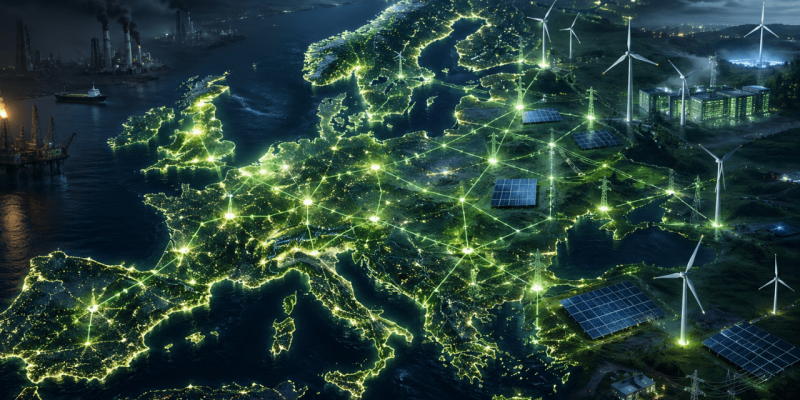
The European Commission has unveiled a new action plan designed to accelerate the electrification of Europe’s economy, setting an ambitious target to increase electricity’s share of final energy consumption from 23% today to 46% by 2040.
The strategy aims to reduce the bloc’s dependence on fossil fuels while strengthening energy security, boosting industrial competitiveness and supporting the transition to a low-carbon economy. According to the Commission, meeting the target could save the EU up to €260 billion annually by reducing fossil fuel imports.
Electrification is expected to play a central role across transport, industry and buildings. The Commission highlights that electric vehicles can significantly reduce running costs compared with petrol and diesel models, while replacing gas boilers with heat pumps could cut household heating bills by as much as 60%.
Despite the benefits, Brussels acknowledges that several barriers continue to slow adoption. Electricity prices remain relatively high compared with gas, grid connection times are often lengthy, and many clean technologies struggle to reach commercial scale. Businesses also continue to face limited incentives to replace fossil fuel-based systems with electric alternatives.
To address these challenges, the action plan proposes a series of measures aimed at making electrification more affordable and accelerating infrastructure deployment. These include reducing electricity network charges for selected consumer groups and energy-intensive industries, expanding the rollout of smart meters, and lowering the upfront cost of technologies such as heat pumps, electric vehicles and battery storage through targeted financing mechanisms.
The Commission also plans to speed up investment in electricity grids, support the commercialisation of innovative electrification technologies and strengthen workforce training to meet the growing demand for skilled labour across the sector.
Alongside the electrification strategy, the Commission announced a review of the EU Emissions Trading System (EU ETS) to ensure Europe’s flagship carbon pricing mechanism remains fit for a changing economic and geopolitical landscape.
Together, the two initiatives form part of the EU’s broader strategy to improve competitiveness, reinforce energy independence and accelerate the transition to a cleaner, more resilient energy system.




Comments